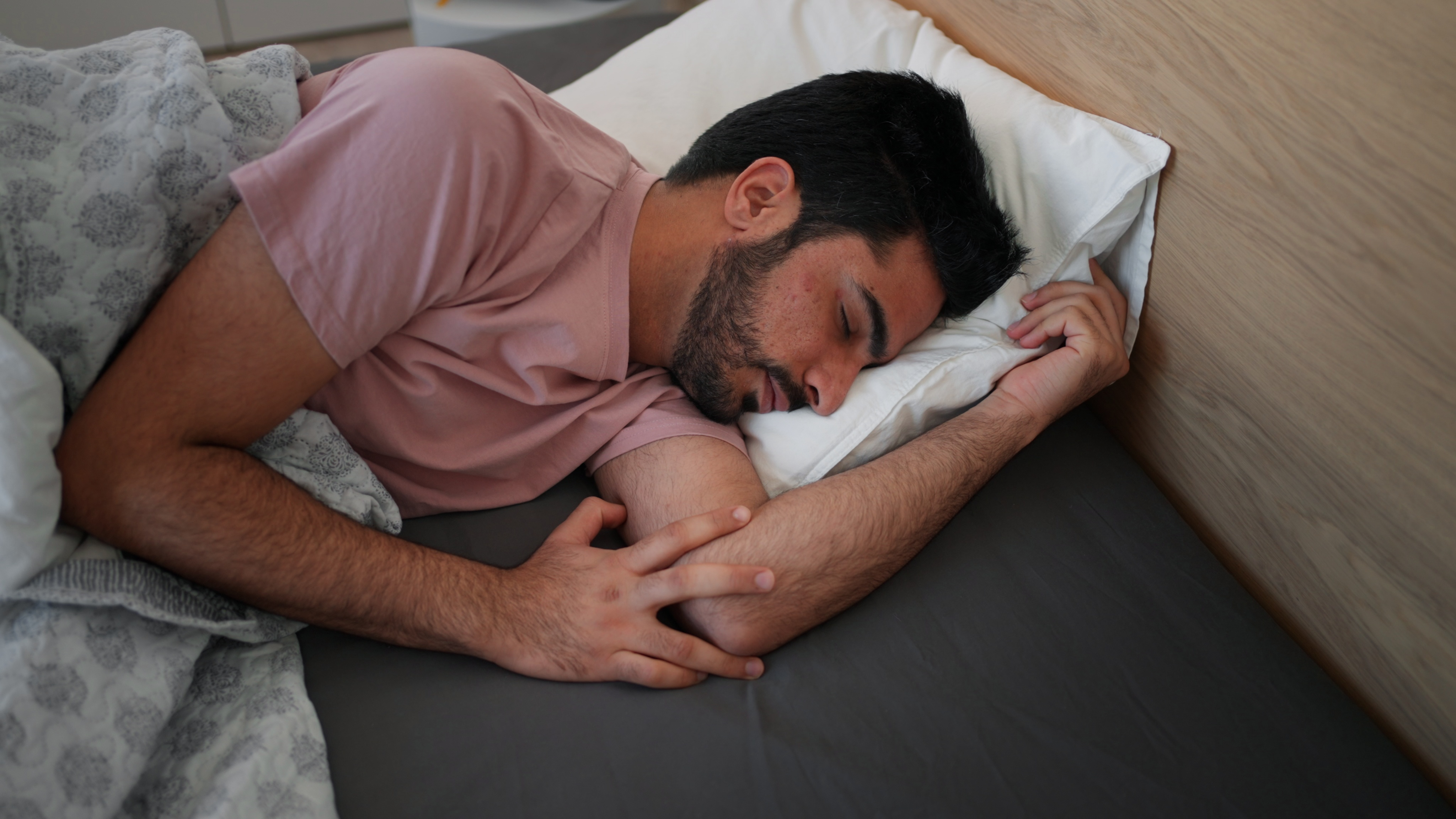
Sleep apnea and obesity often go hand in hand due to the accumulation of excess body fat around the neck and throat particularly in men. Weight loss can lead to improvement and, in some cases, a significant reduction of sleep apnea symptoms in men.
This article outlines actionable steps to reduce symptoms, improve sleep and support energy and overall health in men with sleep apnea.
Can Weight Loss Improve Sleep Apnea?
Clinical studies show that losing weight can significantly reduce the severity and symptoms of sleep apnea. A 10% reduction in body weight can bring about a 26% reduction in the severity of sleep apnea (measured as Apnea (which is no air-movement) Hypopnea (insufficient air movement) Index (AHI)). Below is a breakdown of how weight loss can help with sleep apnea.
Reduced Neck Circumference and Tongue Fat
Weight loss reduces the excess fat deposits in the neck and tongue, which can narrow the airway when the muscles relax during sleep. Compared with women, men are more prone to accumulating fat around the neck. This directly correlates with increased risk of airway obstruction.
As neck and tongue fat deposits decrease, the airway widens, reducing the severity of obstructive sleep apnea (OSA).
Decreased Pharyngeal Fat Deposits
In addition to fat deposits in the neck and tongue, weight loss can also diminish fat deposits within the walls of the pharynx. Consequently, this allows for a more open and less collapsible airway.
This physiological advantage of weight loss is particularly crucial for men, as they generally have larger pharyngeal structures that make them more susceptible to collapse.
Improved Lung Capacity
Men tend to carry more of the excess fat in their chest and abdomen (truncal or visceral obesity) which reduces lung expansion as well as the air left within the lung at end of exhalation. Reduced lung capacity causes less traction on the trachea making the upper airway more susceptible to collapse. Losing abdominal weight alleviates the pressure of excess fat on the diaphragm, improving lung function, stabilizes the throat,making breathing easier during sleep.
Reduced Inflammatory Response
Obesity, particularly visceral or intra-abdominal obesity which is common in men can cause a low level chronic inflammation by releasing inflammatory mediators (cytokines) which can result in fluid retention particularly in the neck causing swelling within the tissues (edema). Losing weight decreases neck tissue edema thereby improving the airway.
Fluid retention within the legs from obesity related chronic inflammation can move upwards and shift into the neck when a person lies down to sleep, exacerbating OSA symptoms. All of this improves with weight loss.
How Bariatric Surgery Helps Sleep Apnea
A recent analysis of clinical studies found that bariatric surgery leads to marked improvement and reduction in the severity of sleep apnea for individuals with obesity. It is a highly effective and durable method of achieving significant weight loss, thereby reducing fat deposits in the neck, pharynx and diaphragm.
Bariatric surgery combines several mechanisms that alter digestive system capacity and influence hormonal responses to food. These mechanisms include:
- Restriction: All bariatric surgeries use this mechanism to reduce stomach capcity, thereby inducing satiety with smaller amounts of food.
- Diversionary opertations, such as gastric bypass, duodenal switch, and SADI reroute a portion of the small intestine so that food and nutrients are delivered directly into the bottom portion of the small intestine sooner which helps restore the gut-brain hormonal signaling and limits calorie absorption.
- Metabolic changes: Bariatric surgery can alter metabolism, improving the body’s ability to process glucose and fats.
The Long-Term Benefits of Bariatric Surgery
Bariatric surgery for sleep apnea can yield significant health improvements that extend far beyond the number on a scale.
Improvement in Sleep Apnea Severity
This option offers more than a temporary fix for sleep apnea — it is associated with sustained improvement in many patients. With bariatric surgery, many patients are able to maintain a substantial portion of their weight loss over time which resolves obstructive sleep apnea permanently in most patients.
Increased Daily Energy and Reduced Fatigue
Treating obstructive sleep apnea enables more restorative sleep, which can significantly reduce daytime sleepiness, a common symptom, and increase daily energy and alertness.
Enhanced Overall Quality of Life
Increased daily energy can support improved family interactions, productivity and participation in hobbies and activities that may otherwise be limited by sleep apnea-related fatigue.
Take the First Step Toward Better Sleep
There is a strong association between obesity and sleep apnea in men. For many men, bariatric surgery is among the most effective options for supporting lasting weight loss and achieving improvement in sleep apnea. The Center for Weight Loss Surgery specializes in evidence-based weight loss and has helped over 5,000 patients achieve lasting improvements in health outcomes.
Before undergoing bariatric surgery, all patients complete comprehensive physical and psychological evaluations to ensure readiness and support long-term success. From initial consultation through surgery, our clinicians partner with you to provide structured support throughout the treatment process. To take the first step toward better sleep, contact our team today to schedule your consultation.