When losing weight ,be it through low calorie diets, GLP-1s or bariatric surgery, about 20-25% of the weight loss could be from loss of lean muscle mass. With the right approach, it is possible to lose fat while preserving muscle mass, strength and metabolic rate.
This article outlines a clear, actionable strategy to support fat loss without sacrificing critical muscle mass.
Tips on How to Lose Fat, not Muscle
The following tips are effective for keeping muscle while losing weight.
Incorporate Strength Training
One of the most effective ways to prevent muscle loss during weight loss is by incorporating resistance and strength training into a regular fitness routine. These exercises are great for stimulating muscle fibers and signaling the body to repair and maintain them even in a calorie deficit.
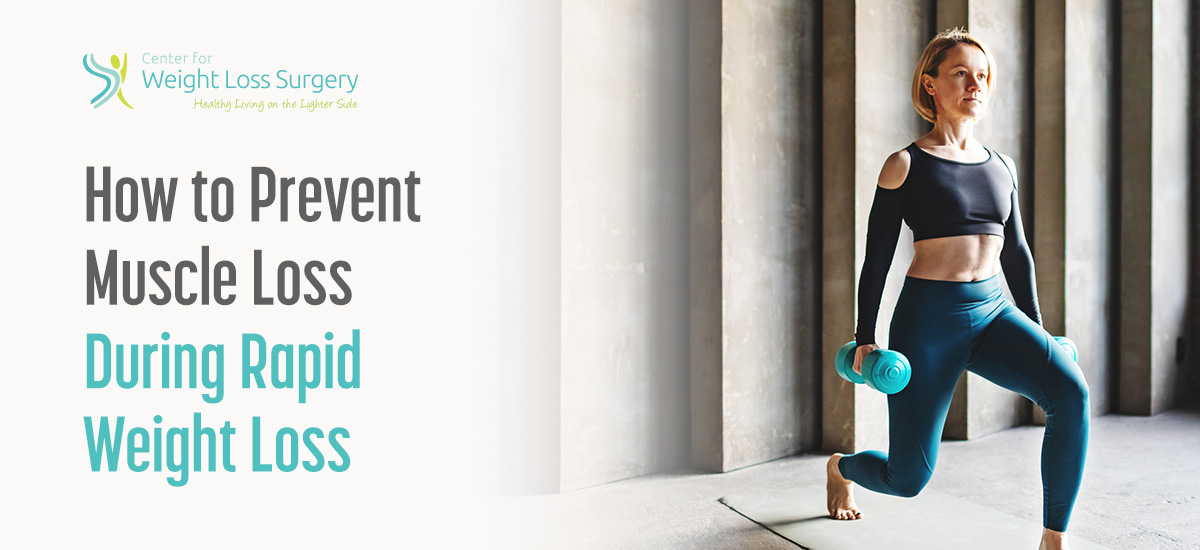
The recommendation for most adults is at least two to three full-body strength training sessions per week, that targetsthe main muscle groups, including trunk, core, chest, back, legs and shoulders. Examples of effective resistance and strength training exercises include lifting weights, lunges and push-ups.
Lifting weights, using resistance bands, or bodyweight exercises (like squats and push-ups) forces it to burn stored fat instead of muscle for fuel.
Prioritize a High-Protein Diet
Consuming a high amount of protein is crucial for muscle repair and synthesis during a calorie deficit. The amount of protein needed to prevent muscle loss while losing weight depends on factors such as age, activity level and kidney health, as these influence protein requirements and the body’s ability to process protein. For active individuals losing weight, the recommended target range is 0.7-1.0 grams of protein per pound of ideal body weight per day i.e., roughly 110-160 grams/ day.
To optimize muscle protein synthesis, this should consumed in 3-4 meals/ snacks delivering roughly 25-35grams/meal rather than all at one session because that’s how much protein a body can typically assimilate at one time.
Maintain a Moderate and Consistent Calorie Deficit
A calorie deficit that allows for gradual, noticeable weight loss per week is preferable for muscle retention. Excessively large calorie deficits can trigger and accelerate muscle loss. On the other hand, a slower rate of loss is superior for muscle retention.
Engage in Physical Activity
In addition to strength training, engage in other physical activities, such as cardiovascular, flexibility and mobility and balance exercises. These supplementary exercises serve several purposes, including helping individuals perform better and longer in strength workouts and preventing injuries
Stay Adequately Hydrated
A general guideline is to consume at least three liters of total fluid daily — individual needs may vary depending on exercise levels, environment and overall health. Water constitutes a large percentage of muscle tissue and is necessary for physical performance, recovery and nutrient transport.
Prioritize Quality Sleep for Recovery
It is recommended to get seven or more hours of restorative sleep each night. Inadequate sleep causes spikes in cortisol levels, (a muscle-wasting and stress hormone) and blunts muscle repair. Sleep is essential for muscle recovery and hormone regulation, both of which help preserve muscle mass during weight loss.
Why Does Rapid Weight Loss Cause Muscle Loss?
Muscle loss during weight loss is caused by a combination of factors, including:
- Calorie deficit: Consuming fewer calories than the body needs creates a deficit. As a result, the body breaks down energy stored in muscles and other sources to meet energy demands.
- Lack of stimulus: A lack of strength training in a weight-loss routine may signal to the body that maintaining or building muscle is unnecessary.
- Insufficient protein intake: Proteins are essential for maintaining muscle mass. During a calorie deficit, the body will utilize amino acids from muscle tissue if protein intake is inadequate.
Get Expert Support
These strategies are best put into practice with the right support. At The Center for Weight Loss Surgery, our medical weight loss program provides tailored, evidence-based strategies for patients seeking nonsurgical weight loss. Participants receive expert guidance and ongoing support to lose fat while preserving muscle, promoting long-term metabolic health.
Contact us today to schedule your consultation and take the next step toward a healthier, stronger you.